General Procedure
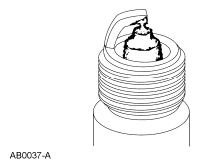
- Inspect the spark plug for a bridged gap.
- Check for deposit build-up closing the gap between the electrodes. Deposits are caused by oil or carbon fouling.
- Install a new spark plug.
 Courtesy of FORD MOTOR CO.
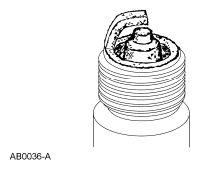
- Check for oil fouling.
- Check for wet, black deposits on the insulator shell bore electrodes, caused by excessive oil entering the combustion chamber through worn rings and pistons, excessive valve-to-guide clearance or worn or loose bearings.
- Correct the oil leak concern.
- Install a new spark plug.
 Courtesy of FORD MOTOR CO.
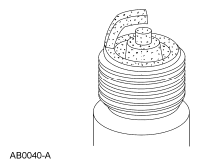
- Inspect for carbon fouling. Look for black, dry, fluffy carbon deposits on the insulator tips, exposed shell surfaces and electrodes, caused by a spark plug with an incorrect heat range, dirty air cleaner, too rich a fuel mixture or excessive idling.
 Courtesy of FORD MOTOR CO.
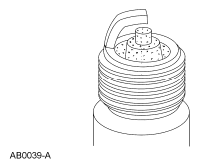
- Inspect for normal burning.
- Check for light tan or gray deposits on the firing tip.
 Courtesy of FORD MOTOR CO.
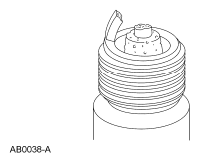
- Inspect for pre-ignition, identified by melted electrodes and a possibly damaged insulator. Metallic deposits on the insulator indicate engine damage. This may be caused by incorrect ignition timing, wrong type of fuel or the unauthorized installation of a heli-coil insert in place of the spark plug threads.
- Install a new spark plug.
 Courtesy of FORD MOTOR CO.
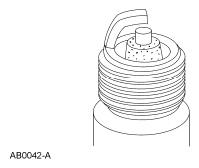
- Inspect for overheating, identified by white or light gray spots and a bluish-burnt appearance of electrodes. This is caused by engine overheating, wrong type of fuel, loose spark plugs, spark plugs with an incorrect heat range, low fuel pump pressure or incorrect ignition timing.
- Install a new spark plug.
 Courtesy of FORD MOTOR CO.
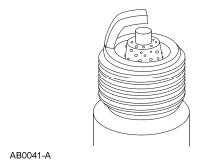
- Inspect for fused deposits, identified by melted or spotty deposits resembling bubbles or blisters. These are caused by sudden acceleration.
- Install a new spark plug.
 Courtesy of FORD MOTOR CO.