Diagnostic Procedure
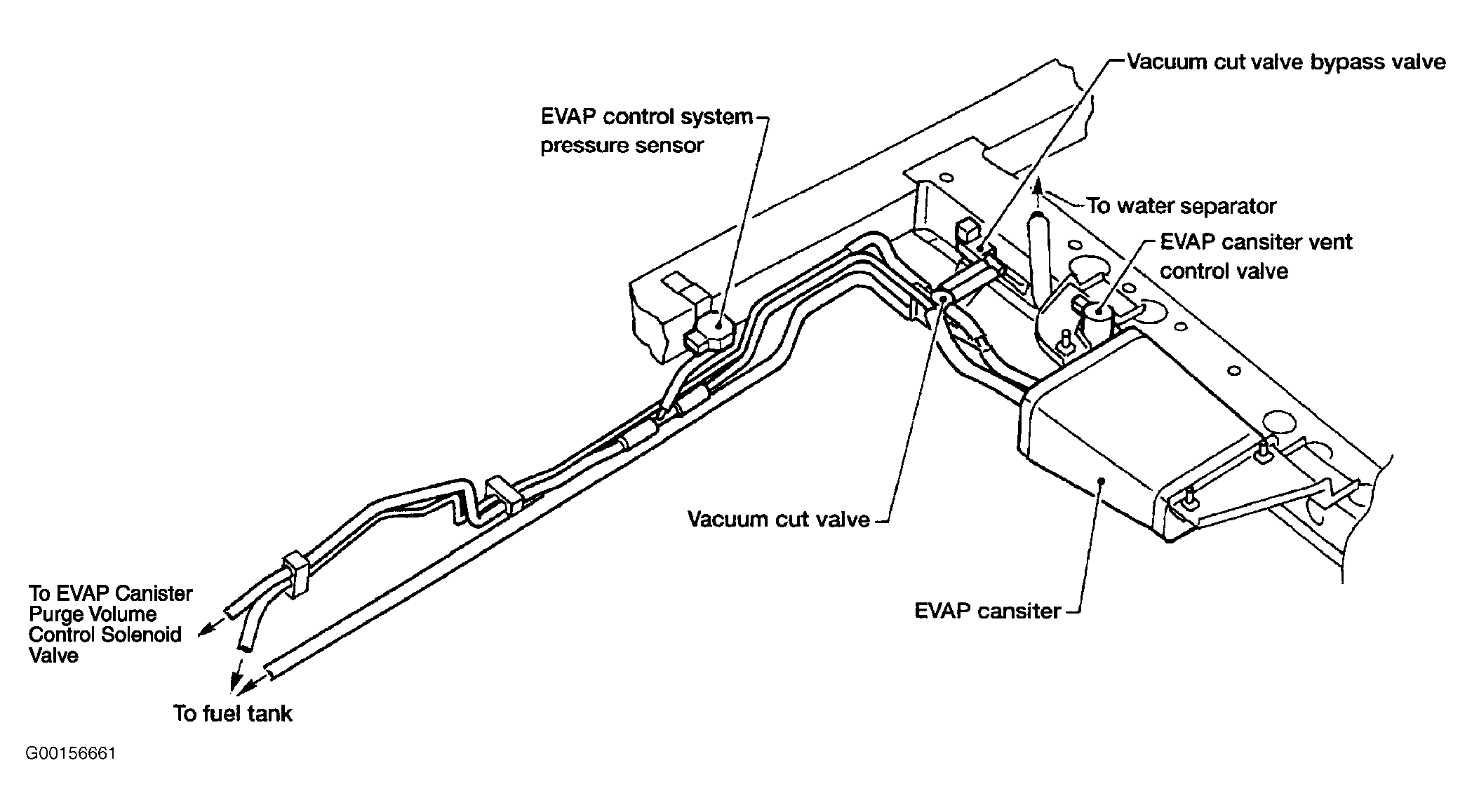
- Turn ignition off. Inspect EVAP canister for cracks. See Fig 1
. Replace, if cracked. If EVAP canister is not cracked, using CONSULT-II, go to next step. If EVAP canister is not cracked, not using CONSULT-II, go to step 3
.
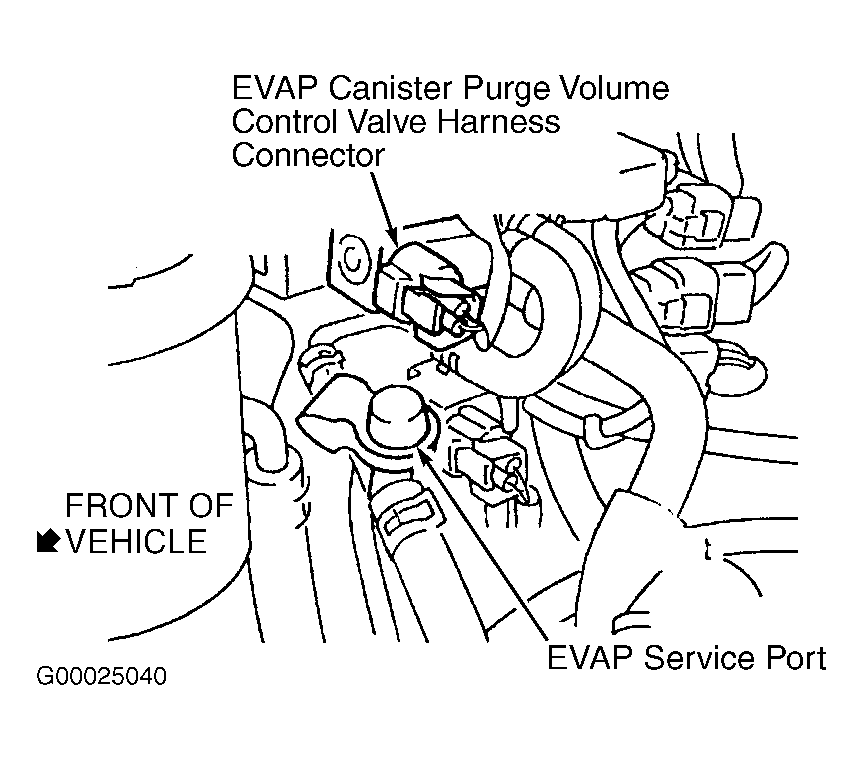
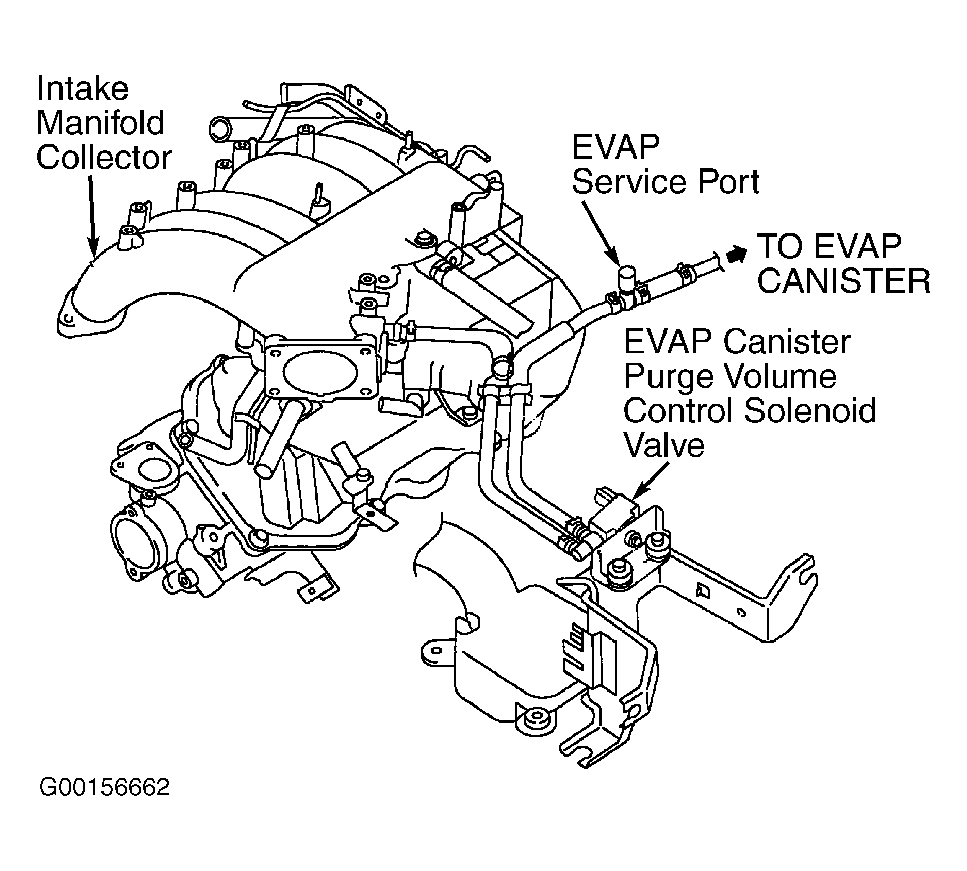
- Disconnect vacuum hose connected to EVAP-CPVCSV at EVAP service port. See Fig 2
or Fig 3
. Connect vacuum gauge to disconnected hose. Start engine and let it idle. Select PURG VOL CONT/V in ACTIVE TEST mode with CONSULT-II. Increase engine speed to 2000 RPM. Press "Qd" and "Qu" on CONSULT-II screen to adjust PURG VOL CONT/V opening. When opening is 100 percent, vacuum should exist. When opening is zero percent, vacuum should not exist. If vacuum is as specified, go to step 7
. If vacuum is not as specified, go to step 4
.
- Start engine and warm to normal operating temperature. Turn ignition off. Disconnect vacuum hose connected to EVAP-CPVCSV at EVAP service port. See Fig 2
or Fig 3
. Connect vacuum gauge to disconnected hose. Start engine and let it idle for at least 80 seconds. Check for vacuum while increasing engine speed to 2000 RPM. Vacuum should exist. Release throttle and let engine idle. Vacuum should not exist. If vacuum is as specified, go to step 7
. If vacuum is not as specified, go to next step.
- Turn ignition off. Check EVAP purge line for improper connection or disconnection. See VACUUM DIAGRAMS
article. Check for blockage in hoses connected to EVAP service port and EVAP-CPVCSV. Also, check intake manifold purge port for blockage. If problem is found, repair as necessary. If problem is not found, go to next step.
- If using CONSULT-II, go to next step. If using generic scan tool, go to step 7
.
- Start engine. Perform PURG VOL CONT/V in ACTIVE TEST mode with CONSULT-II. Engine speed should vary according to valve opening. If operation is as specified, go to step 8
. If operation is not as specified, go to next step.
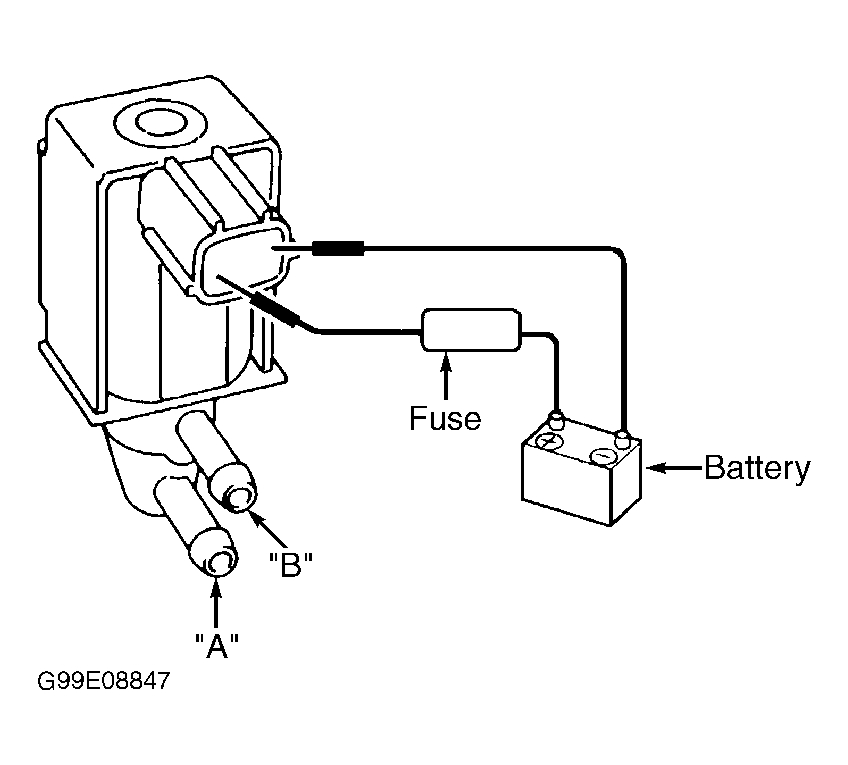
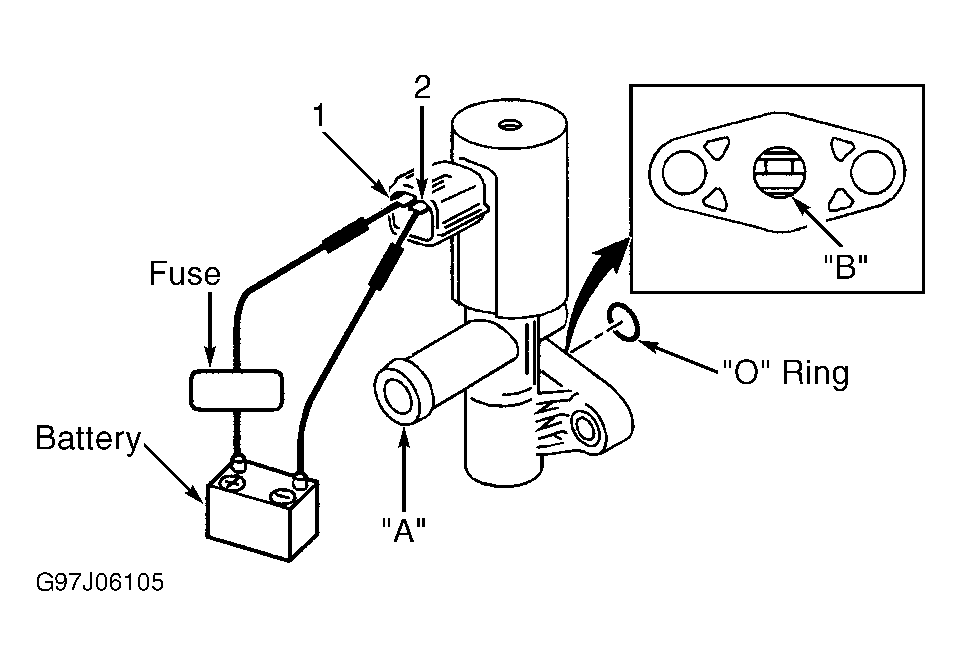
- Turn ignition off. Remove EVAP-CPVCSV. Using jumper wires, apply battery voltage to EVAP-CPVCSV terminals. See Fig 4
. Air should flow between ports "A" and "B". Remove jumper wires. Air should not flow. If operation is as specified, go to next step. If operation is not as specified, replace EVAP-CPVCSV.
- Check for disconnection or improper connection of hose connected to EVAP-CSPS. If problem is found, repair as necessary. If problem is not found, go to next step.
- Disconnect EVAP-CSPS harness connector, located forward of right rear shock absorber. Check connectors for water. If water exists, replace EVAP-CSPS. If water does not exist, go to next step.
- Check EVAP-CSPS function by performing appropriate DTC CONFIRMATION TEST under DTC P0452 OR DTC P0453: EVAP CONTROL SYSTEM PRESSURE SENSOR. If 1st trip DTC is detected, replace EVAP-CSPS. If 1st trip DTC is not detected, go to next step.
- Remove EVAP-CVCV. Check for rust in port "B". See Fig 5
. If rust exists, replace EVAP-CVCV. If rust does not exist, go to next step.
- If using CONSULT-II, go to next step. If using generic scan tool, go to step 14
.
- Reconnect all harness connectors. Turn ignition on. Perform VENT CONTROL/V in ACTIVE TEST mode with CONSULT-II. When VENT CONTROL/V is ON, air should not flow between ports "A" and "B". When VENT CONTROL/V is OFF, air should flow between ports "A" and "B". It should take less than one second for valve to open or close. If operation is as specified, go to step 15
. If operation is not as specified, clean EVAP-CVCV with compressed air, and retest. If operation is still not as specified, replace EVAP-CVCV.
- Using jumper wires, apply battery voltage to EVAP-CVCV terminals. See Fig 5
. Air should not flow between ports "A" and "B". Remove jumper wires. Air should flow. EVAP-CVCV should switch in less than one second. If operation is as specified, go to next step. If operation is not as specified, clean EVAP-CVCV with compressed air, and retest. If operation is still not as specified, replace EVAP-CVCV.
- Install all removed parts. Start engine and warm to normal operating temperature. Turn ignition off. If using CONSULT-II, go to next step. If not using CONSULT-II, go to step 17
.
- Turn ignition on. Select DATA MONITOR mode with CONSULT-II. Observe CLSD TH/P SW indication. When throttle is completely closed, CLSD TH/P SW should indicate ON. When throttle is partially open or completely open, CLSD TH/P SW should indicate OFF. If operation is as specified, go to step 19
. If operation is not as specified, go to step 18
.
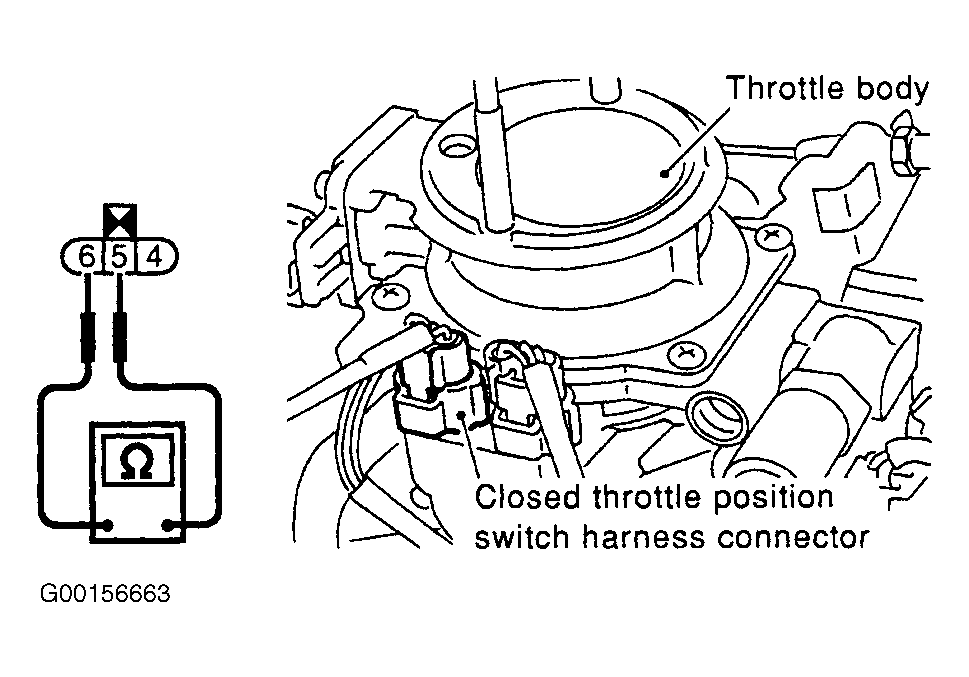
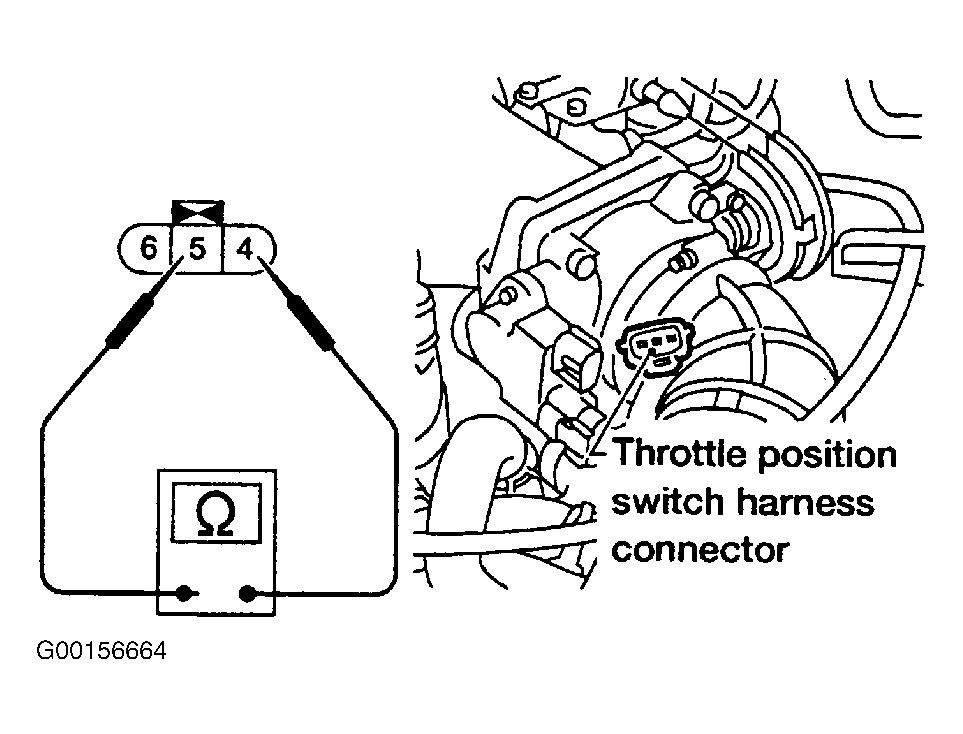
- Disconnect TP switch harness connector. See Fig 6
or Fig 7
. Check continuity between TP switch terminals shown in illustration. See Fig 6
or Fig 7
. When throttle is completely closed, continuity should exist. When throttle is partially open or completely open, continuity should not exist. If operation is as specified, go to step 19
. If operation is not as specified, go to next step.
- Adjust TP switch by performing BASIC INSPECTION. See ON-VEHICLE ADJUSTMENTS
article. If adjustment is possible, go to next step. If adjustment is not possible, replace TP switch.
- Inspect EVAP purge line for evidence of leaks. See VACUUM DIAGRAMS
article. If problem is found, repair as necessary. If problem is not found, clean purge line with compressed air, and go to next step.
- No problem is indicated at this time. Problem may be intermittent. See INTERMITTENTS
in TROUBLE SHOOTING - NO CODES
article.
 Courtesy of NISSAN MOTOR CO., U.S.A.
 Courtesy of NISSAN MOTOR CO., U.S.A.
 Courtesy of NISSAN MOTOR CO., U.S.A.
 Courtesy of NISSAN MOTOR CO., U.S.A.
 Courtesy of NISSAN MOTOR CO., U.S.A.
 Courtesy of NISSAN MOTOR CO., U.S.A.
 Courtesy of NISSAN MOTOR CO., U.S.A.