Fuel Pressure Control System (Turbo)
- Fuel pressure control system uses a fuel pressure control Vacuum Switching Valve (VSV). Fuel pressure control VSV is supplied voltage through EFI main relay.
- The Engine Control Module (ECM) will activate VSV by controlling ground circuit for approximately 90-180 seconds when restarting engine at normal operating temperature. Remove fuel pressure control VSV. Fuel pressure control VSV is located at driver's side of engine, near throttle body and contains a Blue 2-pin electrical connector. See Fig 1.
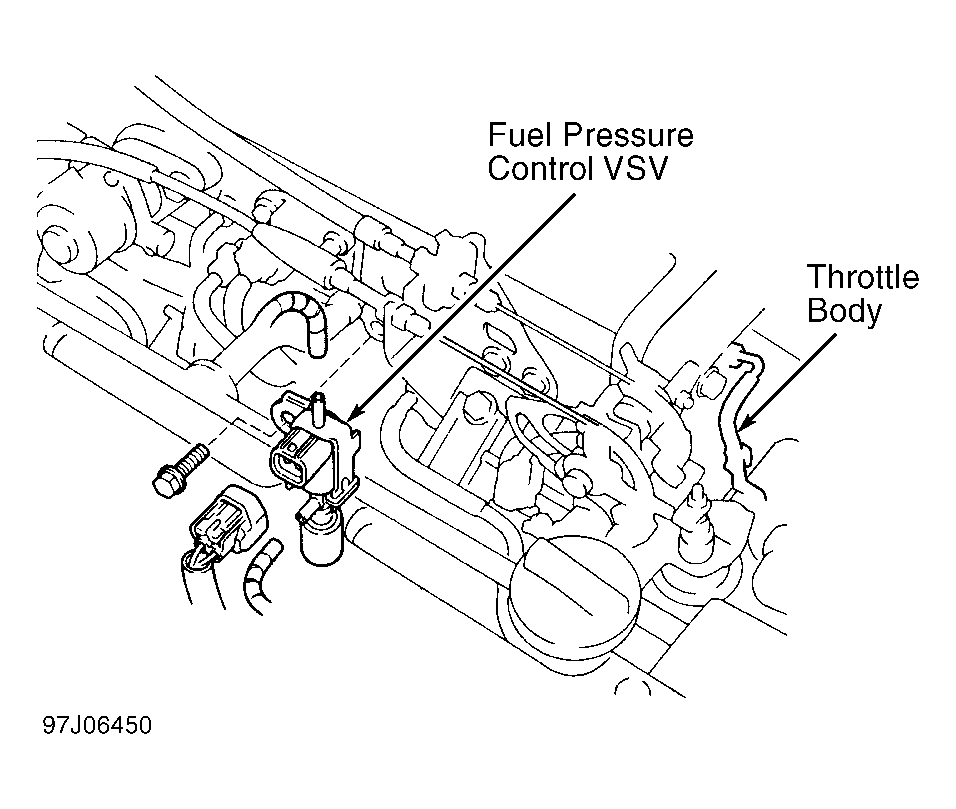 Courtesy of © TOYOTA, LICENSE AGREEMENT TMS1002
- Using ohmmeter, ensure continuity exists between electrical terminals on fuel pressure control VSV and resistance is 33-39 ohms at 68°F (20°C). Replace fuel pressure control VSV if no continuity exists or resistance is not within specification.
- Ensure no continuity exists between each electrical terminal and body of fuel pressure control VSV. Replace fuel pressure control VSV if continuity exists between electrical terminal and body of fuel pressure control VSV.
- To test fuel pressure control VSV operation, apply air pressure to port "E". Ensure air flows from port "G" and not from the filter. Perform STEP 1. See Fig 2.
- Apply battery voltage and ground to electrical terminals on fuel pressure control VSV. Apply air pressure to port "E". Ensure air flows from filter and not from port "G". Perform STEP 2. See Fig 2. Replace fuel pressure control VSV if defective.
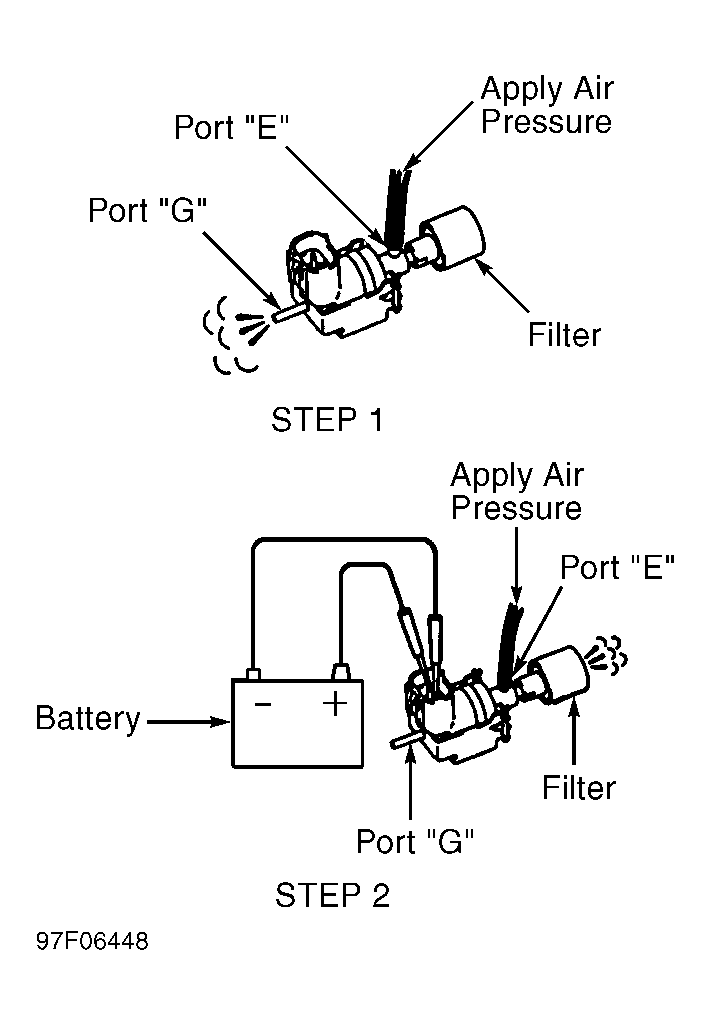 Courtesy of © TOYOTA, LICENSE AGREEMENT TMS1002